GYPWALL CURVE
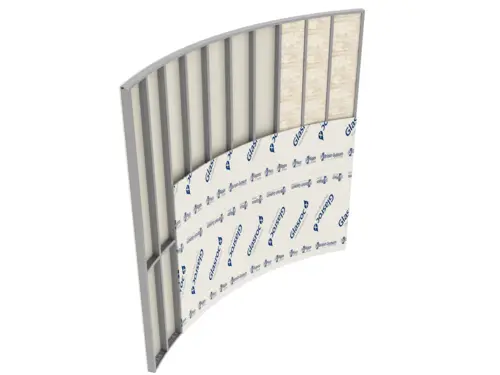
GypWall CURVE is a highly cost-effective lightweight and non loadbearing system designed to provide curved walls and linings. This system can be installed in all types of buildings to deliver design flexibility and aesthetic impact.
GypWall CURVE is a highly cost-effective lightweight and non loadbearing system designed to provide curved walls and linings. This system can be installed in all types of buildings to deliver design flexibility and aesthetic impact.
Key facts
-
GypWall CURVE is a lightweight system specifically designed to provide curved walls and linings.This system provides a high degree of design flexibility and can be used to create imaginative spaces with great aesthetic impact.
Key facts
- Minimum radii 600mm
- Gypframe channel can be easily shaped to radius
- Choice of linings to suit performance requirements and to maintain continuity
- Boards can be jointed in the normal way
Sector
Documents
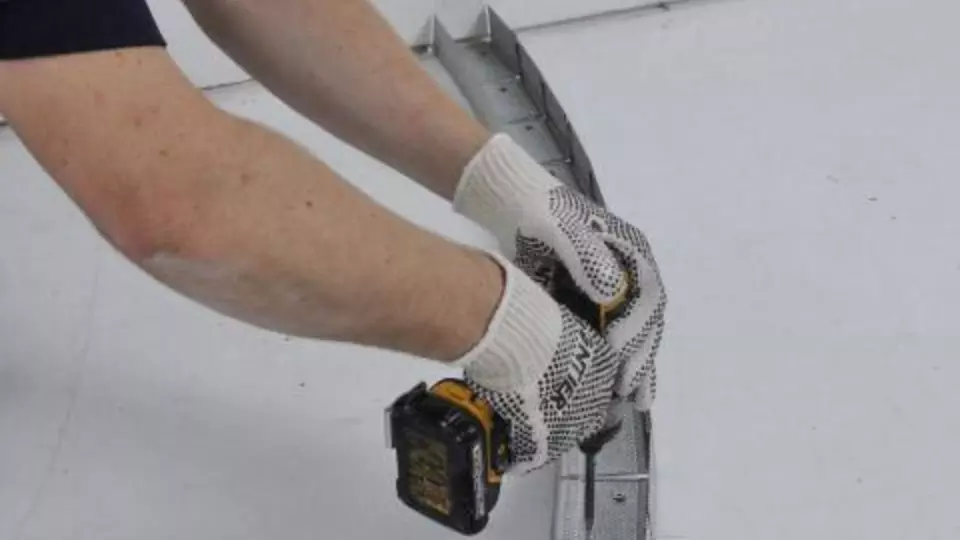
Gypframe channel is snipped and bent to the required radius to acheive a smooth and un-faceted line, and suitably fixed to the floor and ceiling using two rows of fixings at 300m centres.
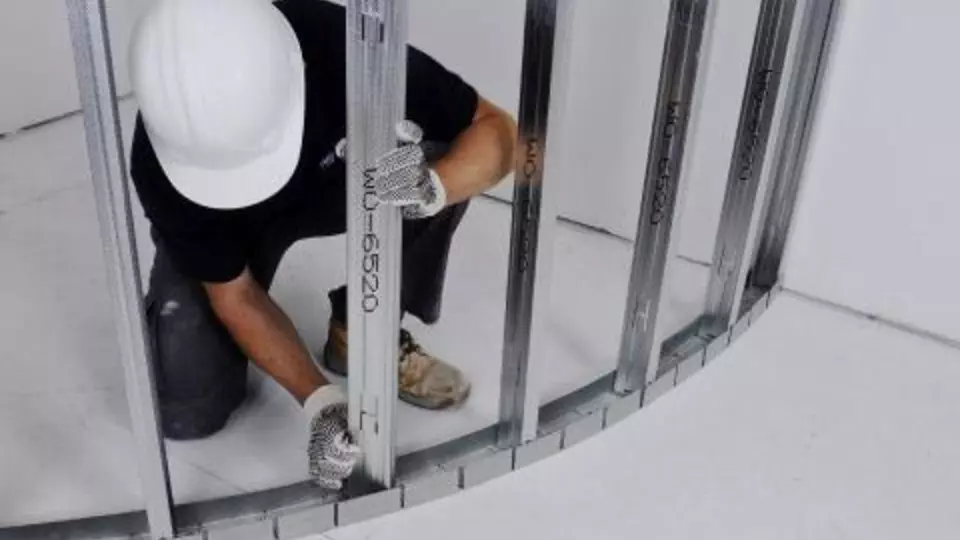
Gypframe studs are fitted vertically within channel sections, and to abutments, to form the framework.
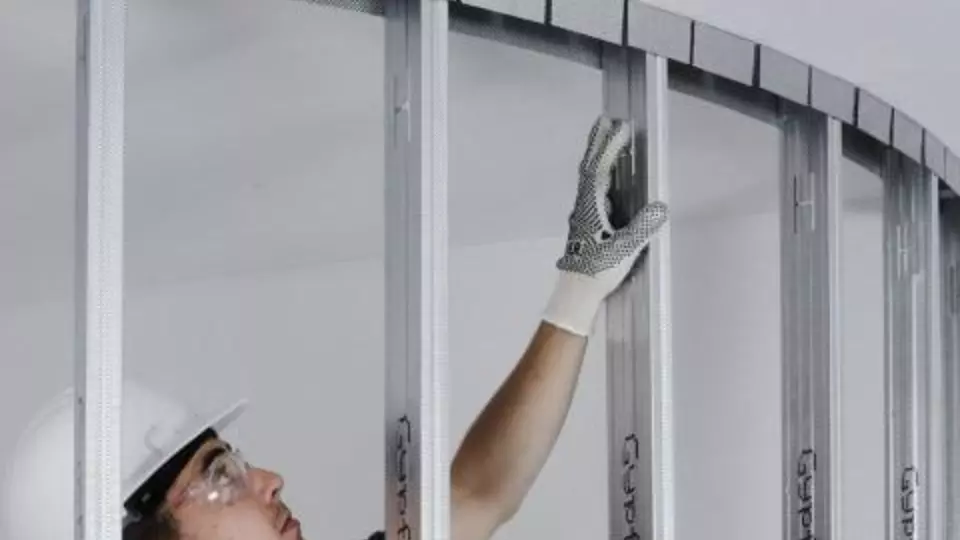
Studs are fixed into the channel at both head and base and must all face the same way. If a deflection head is required, the studs should not be fixed into the head channel and alternative temporary support may be required to stabalise the stud at the head whilst boarding proceeds.
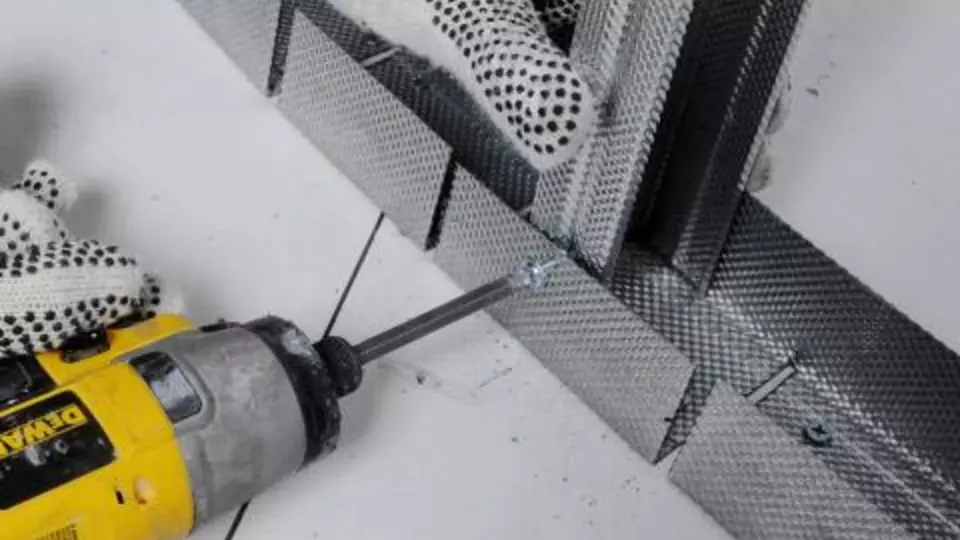
GypWall CURVE partitions require the studs to be mechanically fixed to the floor channels using Gyproc Waferhead screws.
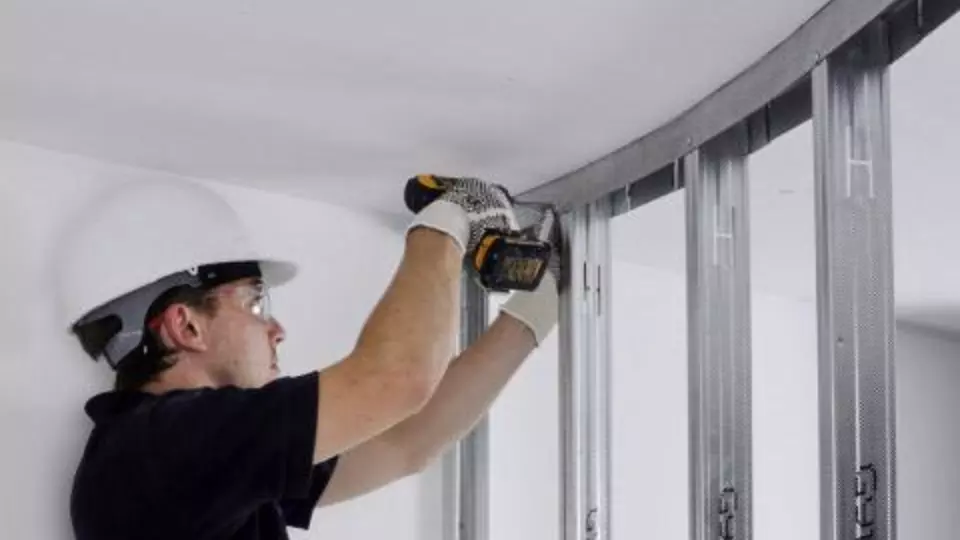
GypWall CURVE partitions require the studs to be mechanically fixed to the head channel using Gyproc Waferhead screws.
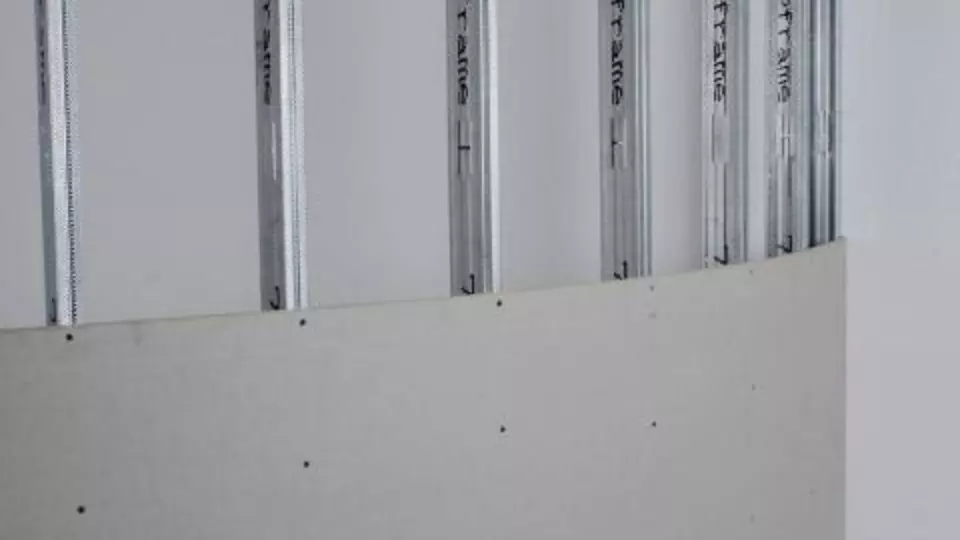
For single layer board linings, fix boards horizontally. Stagger board joints and avoid vertical joints occuring on the apex of the curve. For double layer board linings, inner boards are fixed horizontally to all supports. Face layer boards are fixed horizontally with joints staggered in relation to the first layer. Vertical joints occuring on the apex of the curve in the face layer should be avoided. Additional studs may be required where multiple layers are specified to account for the difference that arises between inner and outer radii.
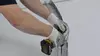
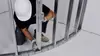
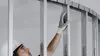
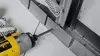
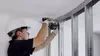
Gypframe channel is snipped and bent to the required radius to acheive a smooth and un-faceted line, and suitably fixed to the floor and ceiling using two rows of fixings at 300m centres.
Gypframe studs are fitted vertically within channel sections, and to abutments, to form the framework.
Studs are fixed into the channel at both head and base and must all face the same way. If a deflection head is required, the studs should not be fixed into the head channel and alternative temporary support may be required to stabalise the stud at the head whilst boarding proceeds.
GypWall CURVE partitions require the studs to be mechanically fixed to the floor channels using Gyproc Waferhead screws.
GypWall CURVE partitions require the studs to be mechanically fixed to the head channel using Gyproc Waferhead screws.
For single layer board linings, fix boards horizontally. Stagger board joints and avoid vertical joints occuring on the apex of the curve. For double layer board linings, inner boards are fixed horizontally to all supports. Face layer boards are fixed horizontally with joints staggered in relation to the first layer. Vertical joints occuring on the apex of the curve in the face layer should be avoided. Additional studs may be required where multiple layers are specified to account for the difference that arises between inner and outer radii.
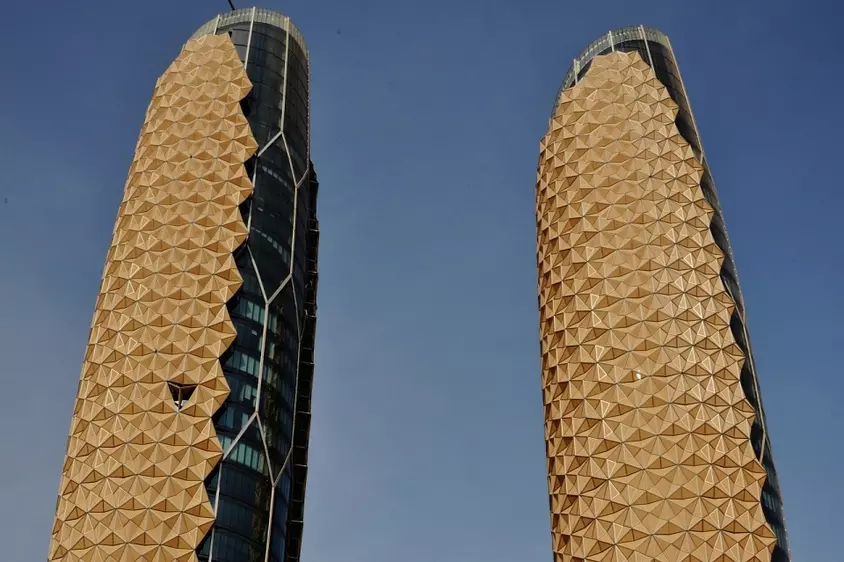
The project consists of twin 25 story towers, located in the busy Salam Street area of Abu Dhabi city. One tower will be the headquarters of the Abu Dhabi Investment Council (ADIC), while the other will be the main office for the newly-established Al Hilal Bank