GYPWALL SHAFTWALL
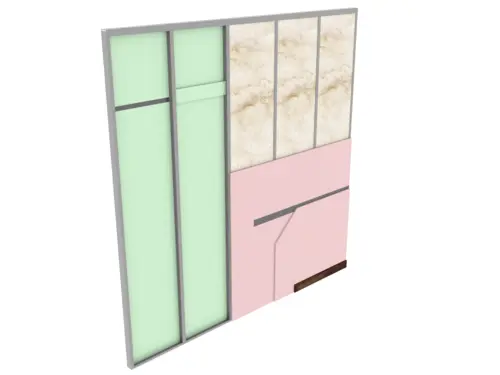
ShaftWall provides a lightweight, fire-resistant structure to protect elements in confined spaces wherever access is limited to one side only. The system provides a protective structure which can be incorporated at an early stage of the construction without the need for scaffolding. The system can a
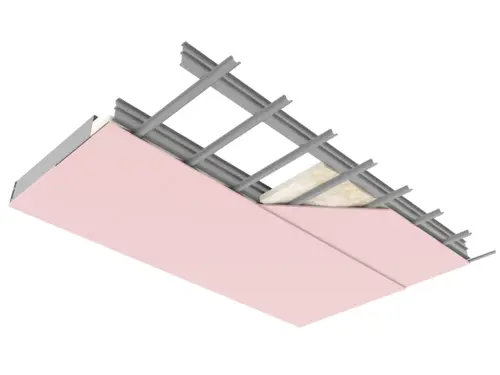
ShaftWall provides a lightweight, fire-resistant structure to protect elements in confined spaces wherever access is limited to one side only. The system provides a protective structure which can be incorporated at an early stage of the construction without the need for scaffolding. The system can also be built horizontally to provide a fire-rated membrane. StairWall is a derivative of the ShaftWall system, which is used to protect stairwells.
Key facts
- Fully independent wall lining
- Compatable with external wall constructions including curtain walling, rainscreen claddings, industrial claddings, brickwork and glazed atria
- Used to line non fire-rated service risers
- Used horizontally to form a corridor ceiling
- Satisfies BS 5234 requirements up to and including Severe Duty1
- Provides fire protection to structural steelwork
- Provides fire resistance in association with external structure
- Used to upgrade the sound and thermal performance of an existing masonry wall
- Provides service void
Application
Due to the design flexibility of GypLyner IWL, this system can be tailored to meet the requirements of a wide range of applications.
Sector
Documents
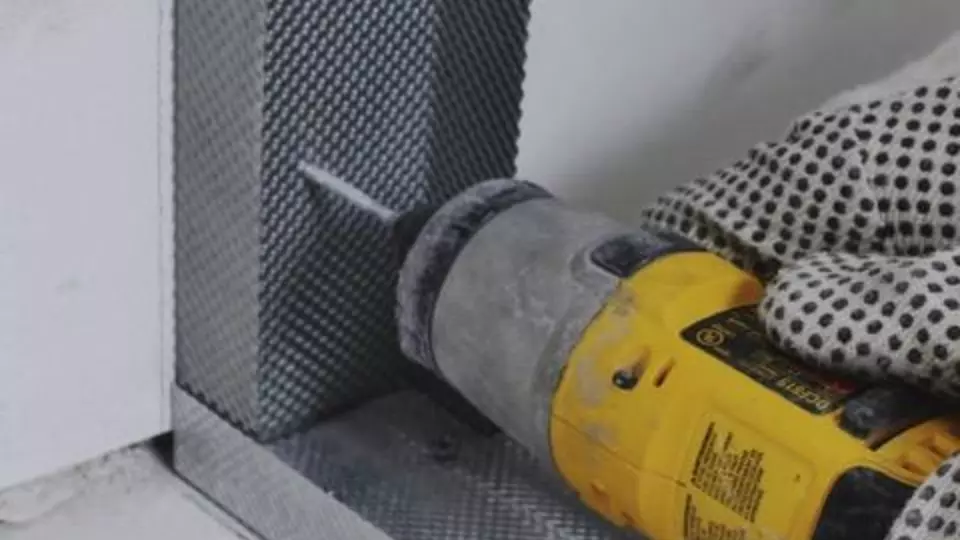
Gypframe Channel is fixed to the structure and Gypframe Starter Channel to vertical abutments. (Please reference to the relevant performance tables for head channels)
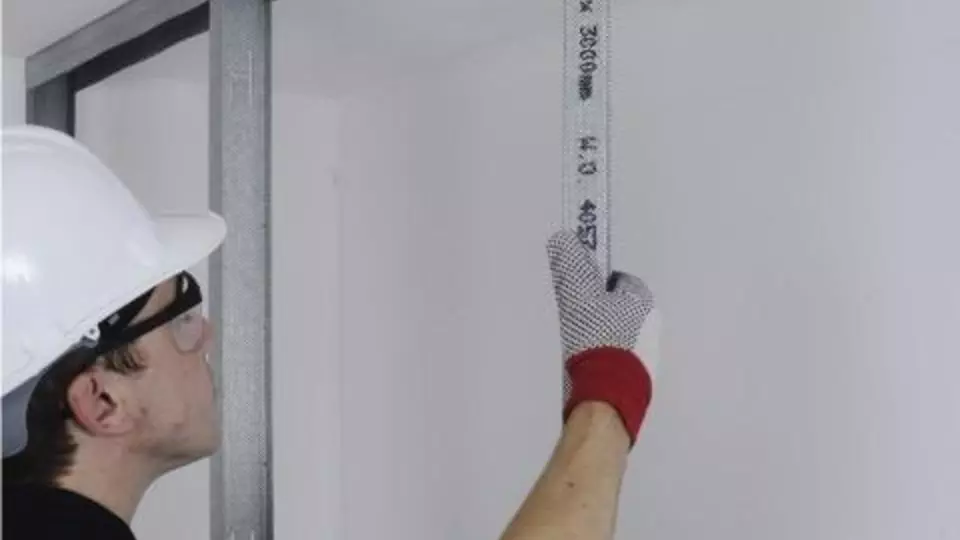
Gypframe "C" Studs are fitted vertically to friction-fit within the channel sections and to abutments, to form the framework.
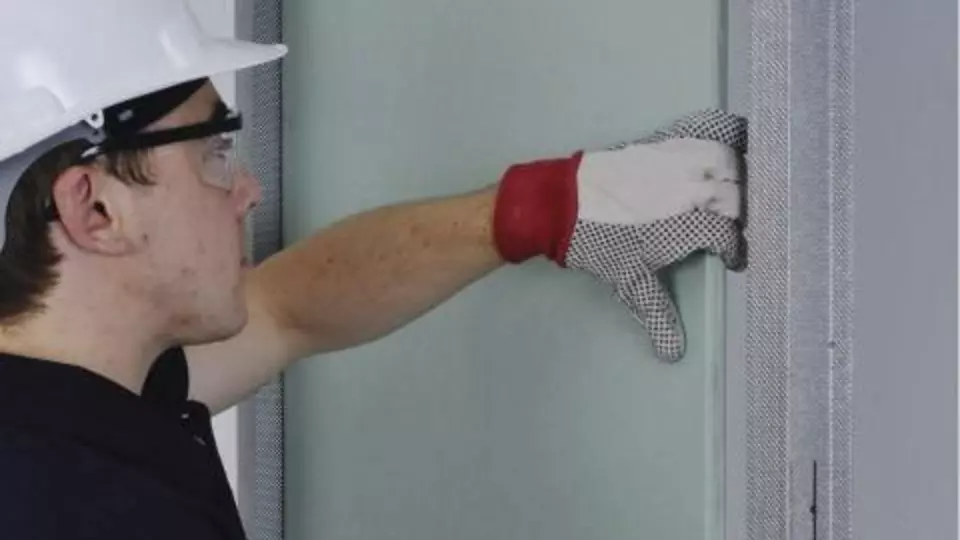
Gyproc FireStop board linings are fixed to the non-shaft side of the frame.
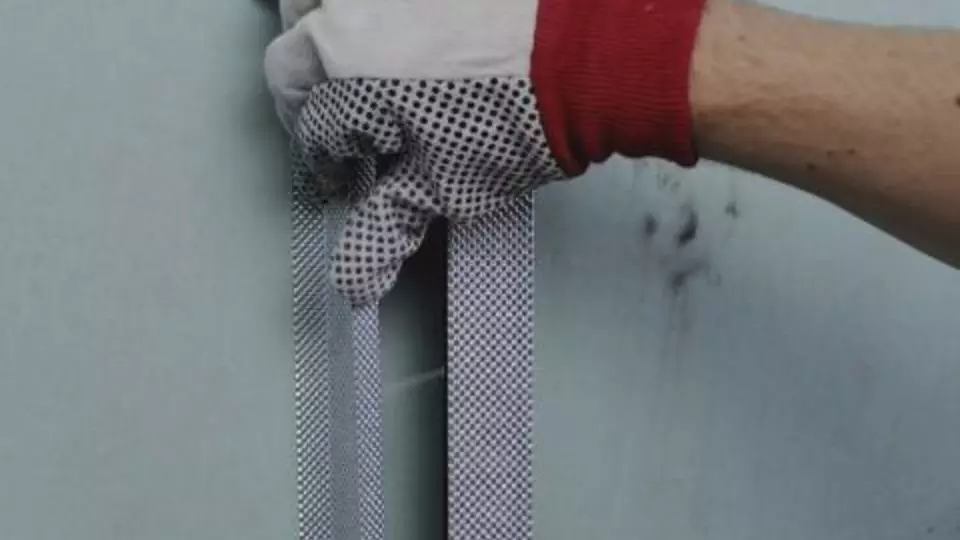
Gyproc FireStrip is used in a continuous line to seal at the head.
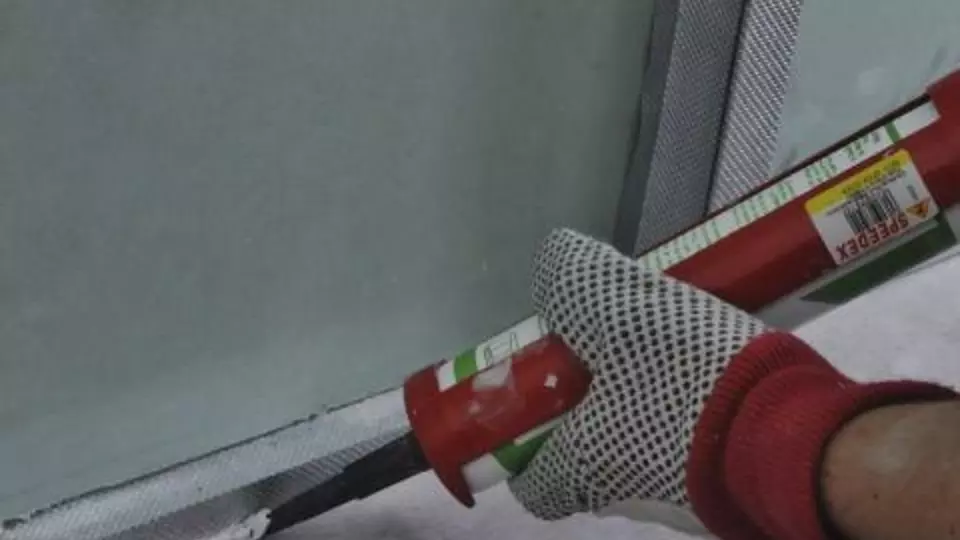
Pressurised shafts and service ducts are also sealed using Gyproc Sealant. This is applied to all board-to-metal junctions.
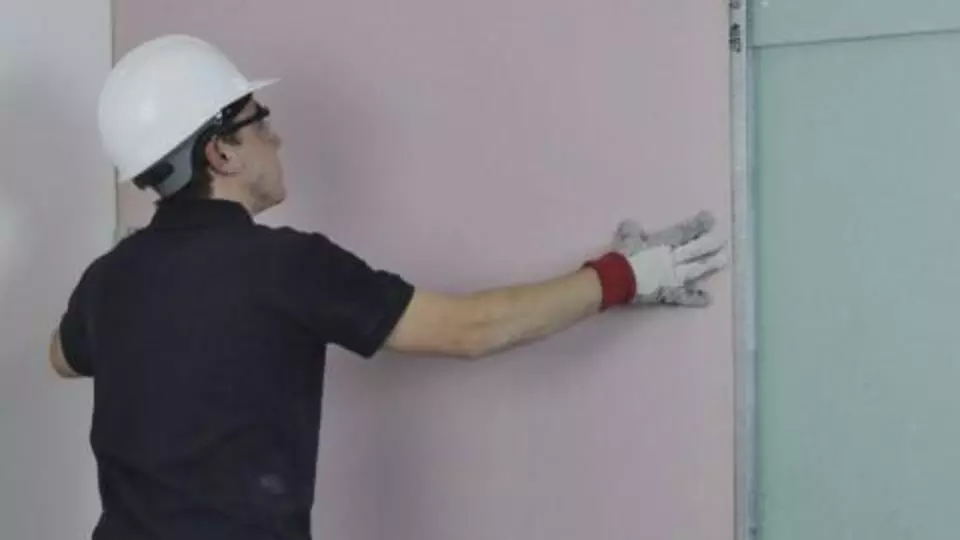
Deflection is accommodated at the head by incorporating plasterboard fire-stops cut on site.
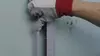
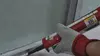
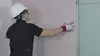
Gypframe Channel is fixed to the structure and Gypframe Starter Channel to vertical abutments. (Please reference to the relevant performance tables for head channels)
Gypframe "C" Studs are fitted vertically to friction-fit within the channel sections and to abutments, to form the framework.
Gyproc FireStop board linings are fixed to the non-shaft side of the frame.
Gyproc FireStrip is used in a continuous line to seal at the head.
Pressurised shafts and service ducts are also sealed using Gyproc Sealant. This is applied to all board-to-metal junctions.
Deflection is accommodated at the head by incorporating plasterboard fire-stops cut on site.
This iconic tower soars to 160 metres above ground and has been entered in to the Guinness Book of Records as the world's most inclined building with a westward incline of 18 degrees.

Oasis Hospital has been serving the residents of the Eastern Region and beyond since 1960 at the invitation of the late Sheikh Zayed bin Sultan Al Nahyan. The new facility is being constructed to improve the services and include specialty clinics.
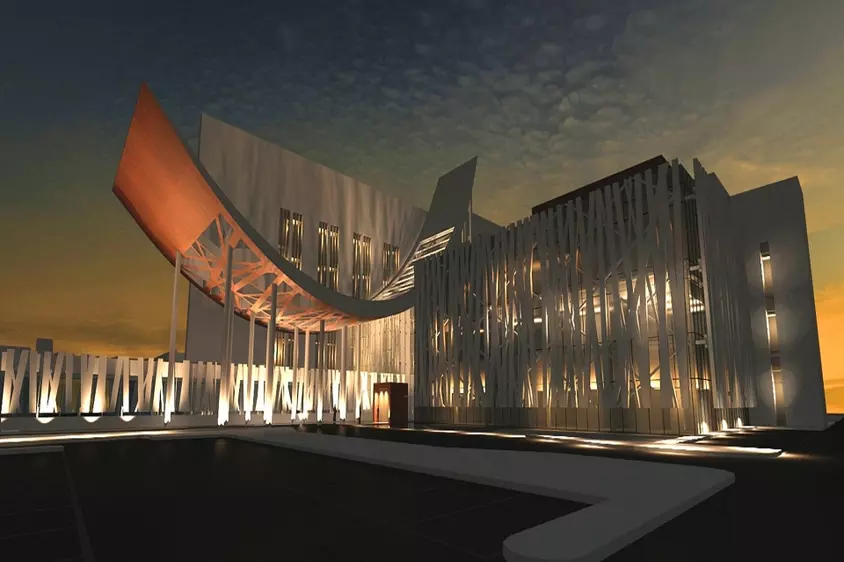
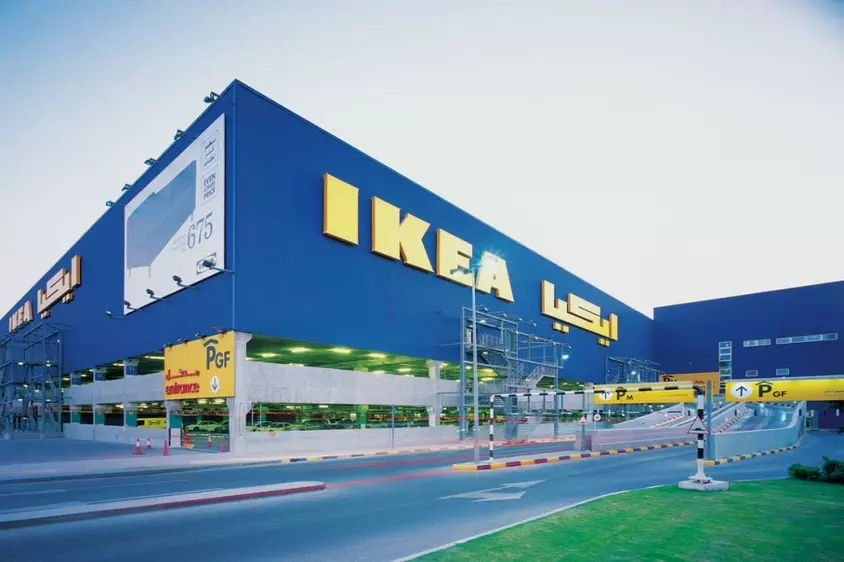
The new flagship IKEA store in the heart of the Yas Island retail district is the largest IKEA outlet in the Middle East with a retail space of 30,000m².
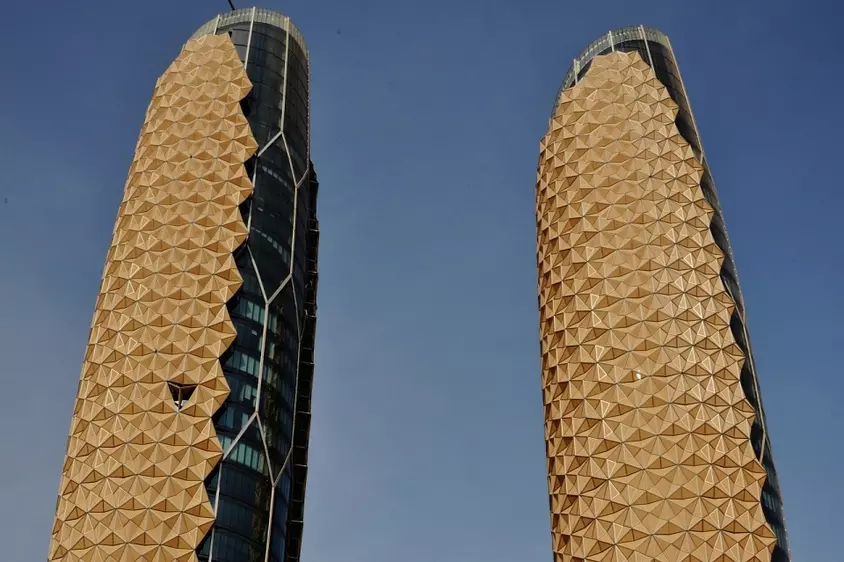
The project consists of twin 25 story towers, located in the busy Salam Street area of Abu Dhabi city. One tower will be the headquarters of the Abu Dhabi Investment Council (ADIC), while the other will be the main office for the newly-established Al Hilal Bank
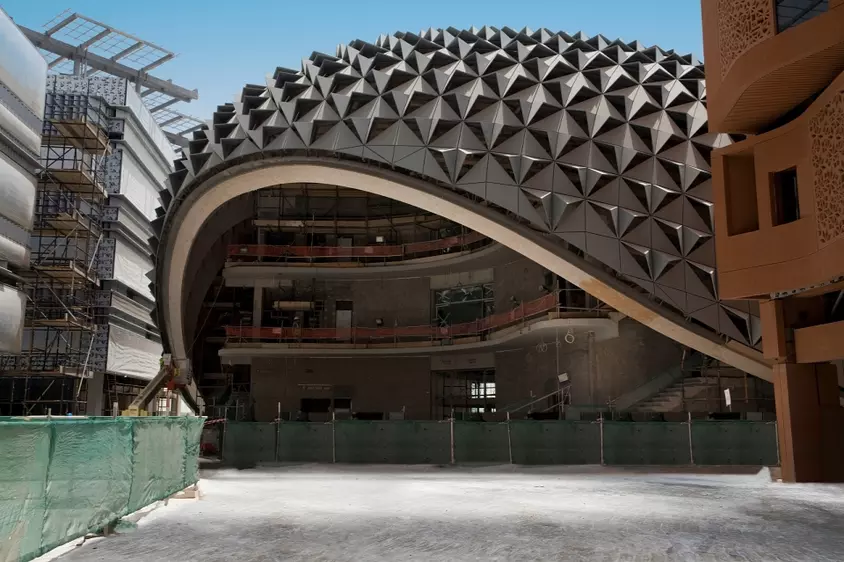
Masdar City is the world's first carbon-neutral, zero waste city with Masdar Institute of Science & Technology (MIST) being the first project to be completed.