GYPWALL QUIET
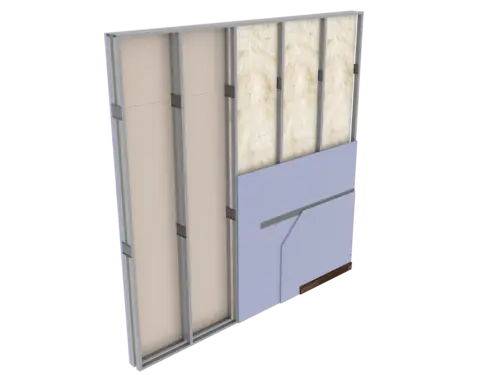
GypWall QUIET is a lightweight, non-loadbearing, twin framed acoustic separating wall, primarily used as a sound resisting wall in a residential units such as apartments.The system can also be specified in commercial and industrial buildings to meet a specific level of sound insulation performance.
GypWall QUIET is a lightweight, non-loadbearing, twin framed acoustic separating wall, primarily used as a sound resisting wall in a residential units such as apartments.The system can also be specified in commercial and industrial buildings to meet a specific level of sound insulation performance.
Key facts
- Provides sound insulation solutions between residential dwellings
- Accommodates services between the twin stud frameworks
- Satisfies BS 5234 requirements up to and including Severe Duty1
- Accommodates concrete or steel columns within the cavity
1 Refer to Basic principles of system design - Robustness.
Application
A wide range of applications, primarily used in flats and apartments.
Sector

Gypframe Channels are fixed to the floor and soffit to achieve the specified wall thickness.
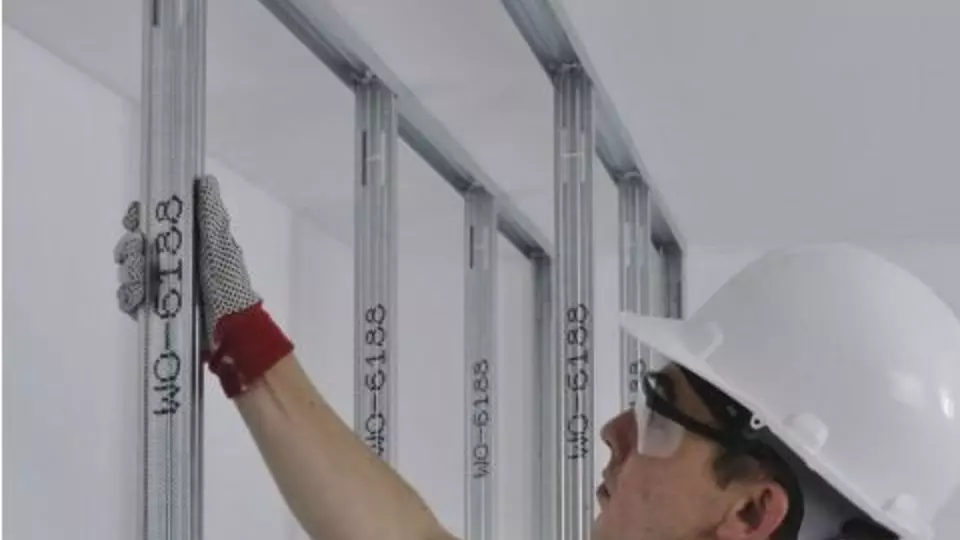
Gypframe 'C’ studs are fitted vertically to a friction-fit within the channel sections, and to abutments, to form the framework. This allows for adjustment during boarding. Studs are fitted so as to all face the same direction.
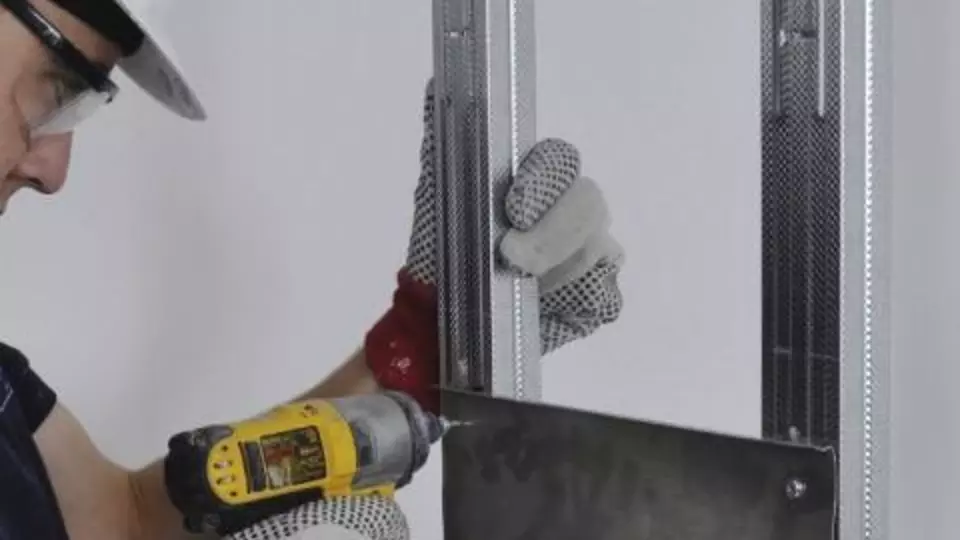
The frameworks are braced using Gypframe 103 FC 50 Fixing Channel at 1200mm maximum centres, or mid-height for walls less than 2400mm high. Additional framing is installed as required to support heavy fixtures.
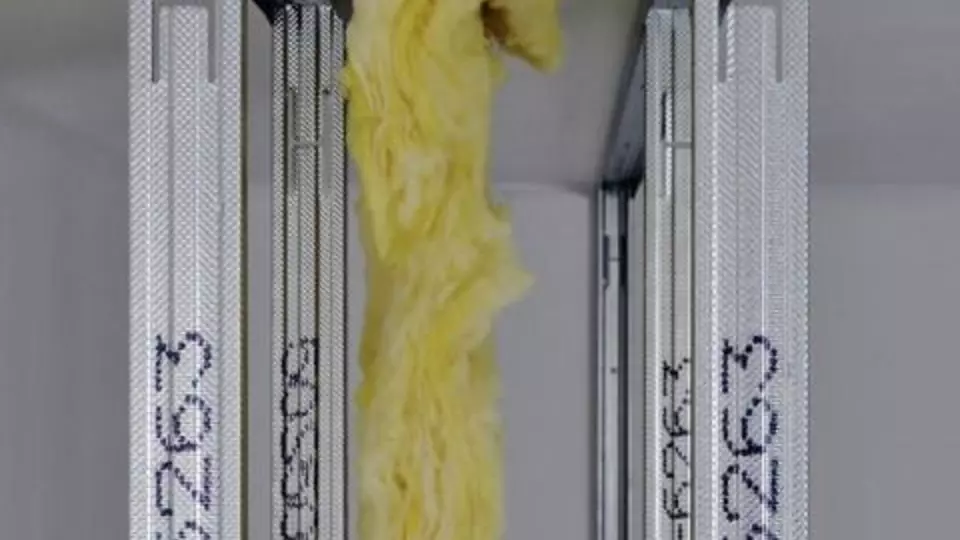
The specified Isover insulation is installed between frameworks.

The specified Isover insulation is installed between frameworks.
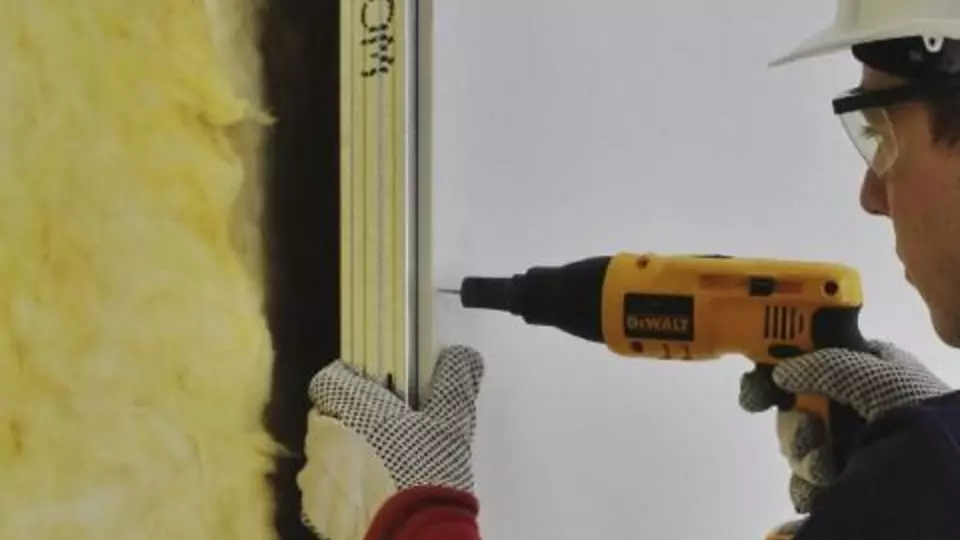
Boards are screw-fixed to framing members to form the lining.
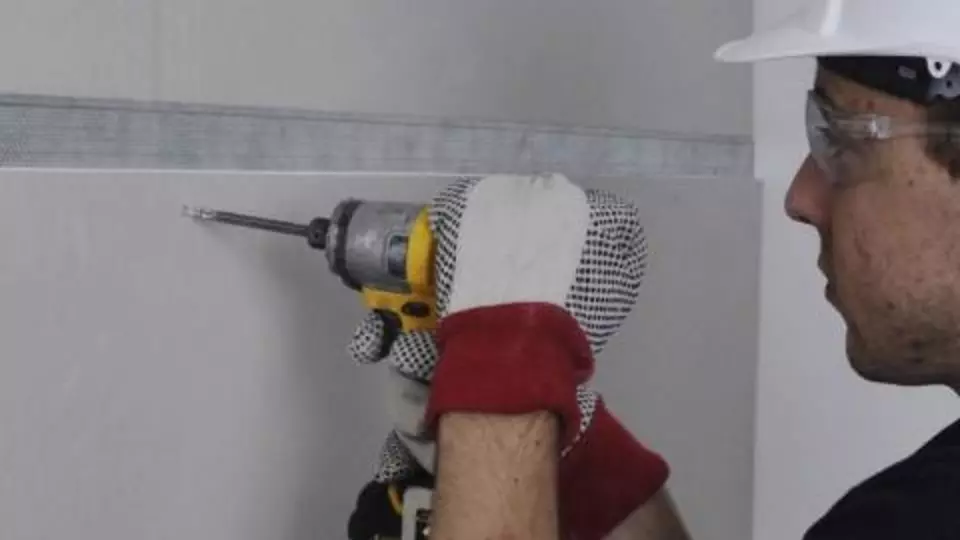
Horizontal joints in face layer boards should be backed with Gypframe GFS1 Fixing Strap or stud noggings.

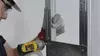



Gypframe Channels are fixed to the floor and soffit to achieve the specified wall thickness.
Gypframe 'C’ studs are fitted vertically to a friction-fit within the channel sections, and to abutments, to form the framework. This allows for adjustment during boarding. Studs are fitted so as to all face the same direction.
The frameworks are braced using Gypframe 103 FC 50 Fixing Channel at 1200mm maximum centres, or mid-height for walls less than 2400mm high. Additional framing is installed as required to support heavy fixtures.
The specified Isover insulation is installed between frameworks.
The specified Isover insulation is installed between frameworks.
Boards are screw-fixed to framing members to form the lining.
Horizontal joints in face layer boards should be backed with Gypframe GFS1 Fixing Strap or stud noggings.
This iconic tower soars to 160 metres above ground and has been entered in to the Guinness Book of Records as the world's most inclined building with a westward incline of 18 degrees.

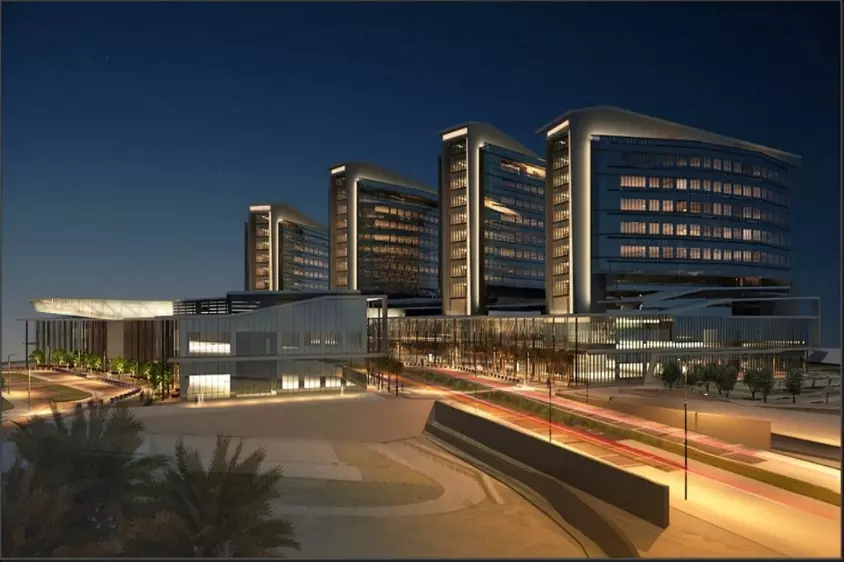
First established in 1983, a US$870 million major expansion was completed to triple the treatment rooms to 690 beds - sufficient to cover the cities demand until post-2018.
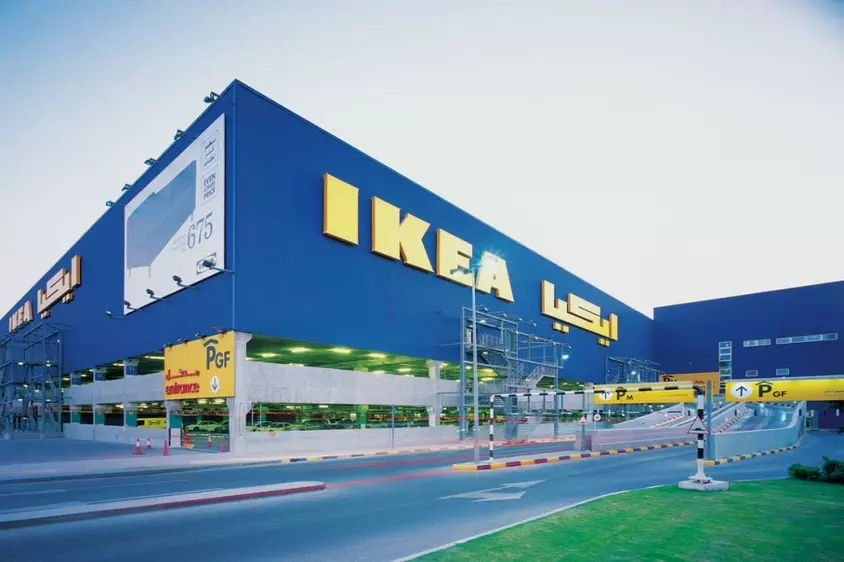
The new flagship IKEA store in the heart of the Yas Island retail district is the largest IKEA outlet in the Middle East with a retail space of 30,000m².
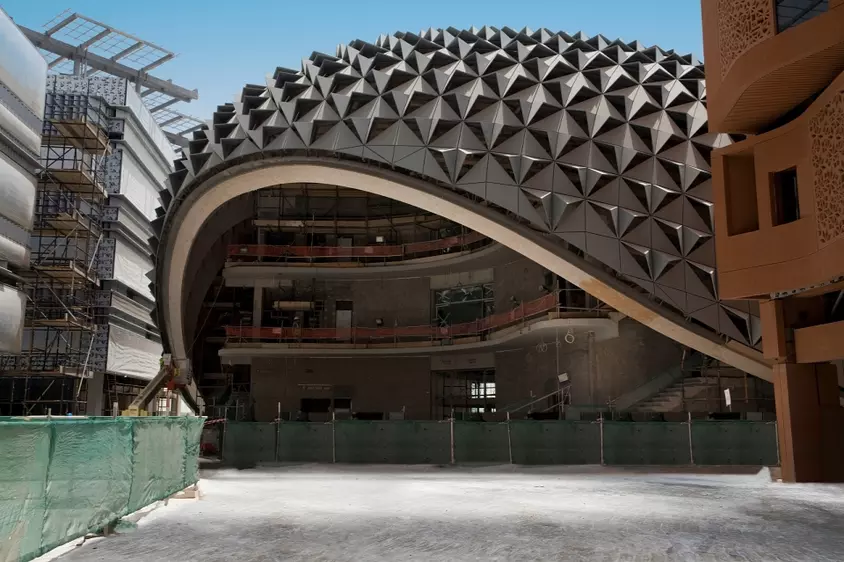
Masdar City is the world's first carbon-neutral, zero waste city with Masdar Institute of Science & Technology (MIST) being the first project to be completed.